Exploring Brazil: From North to South
- Easy Peasy Brazil

- Aug 1, 2021
- 2 min read
Updated: Nov 2, 2025
Occupation and Colonization of Brazil – Summary
Brazil was originally inhabited by diverse indigenous peoples, each with their own languages, cultures, and ways of life, ranging from hunting and fishing to agriculture and trade.


Northern Brazil saw early contact with Europeans in the 16th century, but colonization was slow due to dense rainforest and rivers. The Portuguese established settlements and trading posts, and later, African slaves were brought in to work in sugarcane plantations. Indigenous peoples were often displaced or incorporated into labor systems, and Jesuit missionaries spread Christianity.


Northeastern Brazil was the first region to be effectively colonized, with sugarcane plantations thriving along the coast. The arrival of African slaves shaped culture, religion, and society, giving rise to syncretic beliefs such as Candomblé. Inland expansion brought cattle farming, villages, and conflicts with indigenous groups.


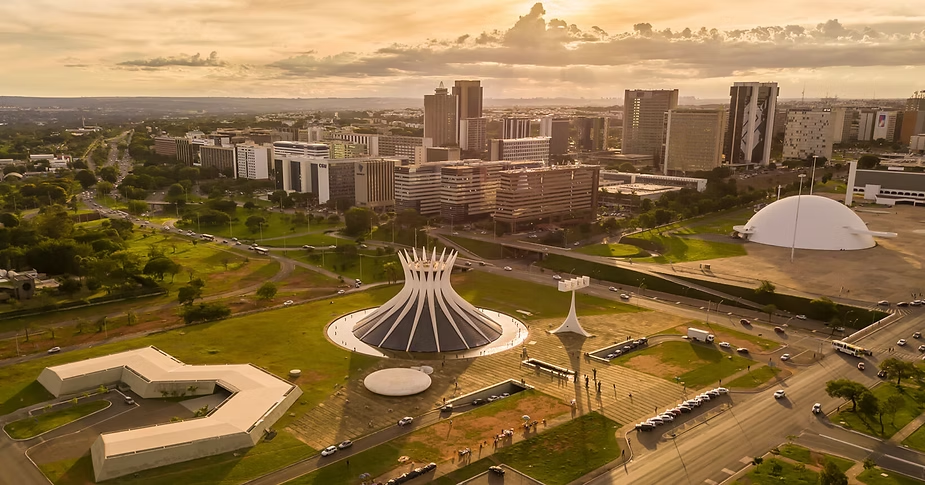
Central-West Brazil was occupied more slowly due to isolation and dense cerrado. Bandeirantes (explorers) penetrated the region seeking gold, indigenous labor, and land, leading to settlements, missions, and later urban centers. African slave presence was smaller compared to other regions, with an economy focused on livestock and subsistence agriculture.


Southeast Brazil became the center of gold mining, agriculture, and urban development. European immigrants, especially in the 19th century, added to the cultural mix. Sugarcane, coffee plantations, and mining shaped economic and social structures.


Southern Brazil was colonized later, with strong influences from Portuguese, Spanish, and European immigrants (Germans, Italians, Poles, Ukrainians). Agriculture, livestock, and small urban centers defined the region, along with significant cultural influence from European settlers.
Cultural and social impact:Brazil’s colonization created a highly diverse and mixed population, blending indigenous, African, and European heritages. Each region developed unique cultural identities, reflected in language, religion, music, cuisine, and festivals. Colonization also left a legacy of social inequality, land concentration, and regional economic differences, which still influence the country today.


Comments