Nunca mais diga "I am fine, and you?"
- EZ Operacional

- Apr 18, 2022
- 3 min read
Updated: Mar 3

When asked in English how you are and if everything is ok with you, never say "I am fine, and you?". You may have already read this phrase in many English books and heard it even from your language teachers in regular schools, but I am sure that this text here will help you to have a much broader view of what authentic communication is and what we always encourage here on the Easy Peasy Brazil blog so that you can put aside automatic responses like this and others. MEANING AND CONTEXT

According to the Oxford dictionary "fine", in this context, is similar to "acceptable", "satisfactory", "adequate" and even "tolerable". So this word that has been widely used for so many years by Brazilians is actually not as nice and friendly as we thought it would be, as it is much more used in recovery contexts (health, finances, etc.) to say "I'm going to be alright".
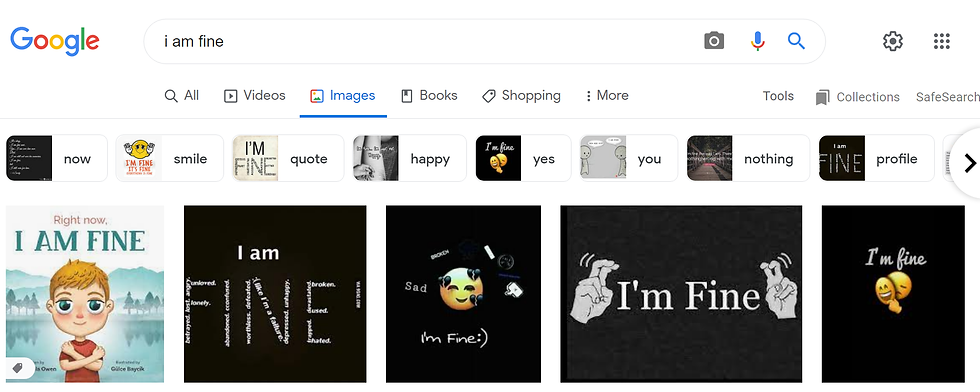
REASONS TO AVOID IT
Now you already know the meaning of the word and the real context in which it is used by native speakers but maybe you are still wondering what is the problem of continuing to use it in your day-to-day with your co-workers since everyone else is using it, right?
The reason why is quite simple: there is power in our habits! So get used to taking care of your energy so that there is synergy around you and the ideal environment for communication to flow. Small changes in the way you communicate daily will make a big difference in your connections, for example, instead of saying "I am fine" without great excitement and already automating the conversation to then ask "and you?" we can talk about how last weekend was and what we did with our families and friends or our expectations for the next few days and important projects you are working on. This way, the conversation is no longer so trivial so that there is a greater exchange of more meaningful and relevant information. Be a protagonist and remember that our conversations are like ping pong where two people are equally responsible for the exchange. ALTERNATIVES
I brought here for you a list of alternatives so that you can choose the ones that best fit your personalities and communication styles. Along with the examples highlighted in yellow, I wrote a few paragraphs to contextualize the usage:
1. "I am doing very well! I went to visit my family in Rio de Janeiro for our Easter dinner this weekend. Do you celebrate Easter? Did you do anything exciting on the weekend?"
2. "Very well! I am reading this article on Cognitive Biases and how to counteract them in sales. What are you up to? Did you read anything interesting recently?"
3. "I feel great! Slept like a baby last night and hit the gym this morning before work. How are you feeling today?"
4. "Couldn't be better! We have just signed a new deal with a customer and I have to follow up on the implementation with the product management team. Are you currently working on any specific projects? How are they going?"
5. "I'm all the better for meeting you today! I've heard great things about the company and I'm excited to work with you on this new project. How is it going? What's the next step?"

Hi, I'm @AleMenezesBrazil and this text is my authorship! Let me know how you liked his content and feel free to add your own personal insight on communication. You can also follow our language school @EasyPeasyBrazil on social media to get alerts for new posts like this one and more.
Comments